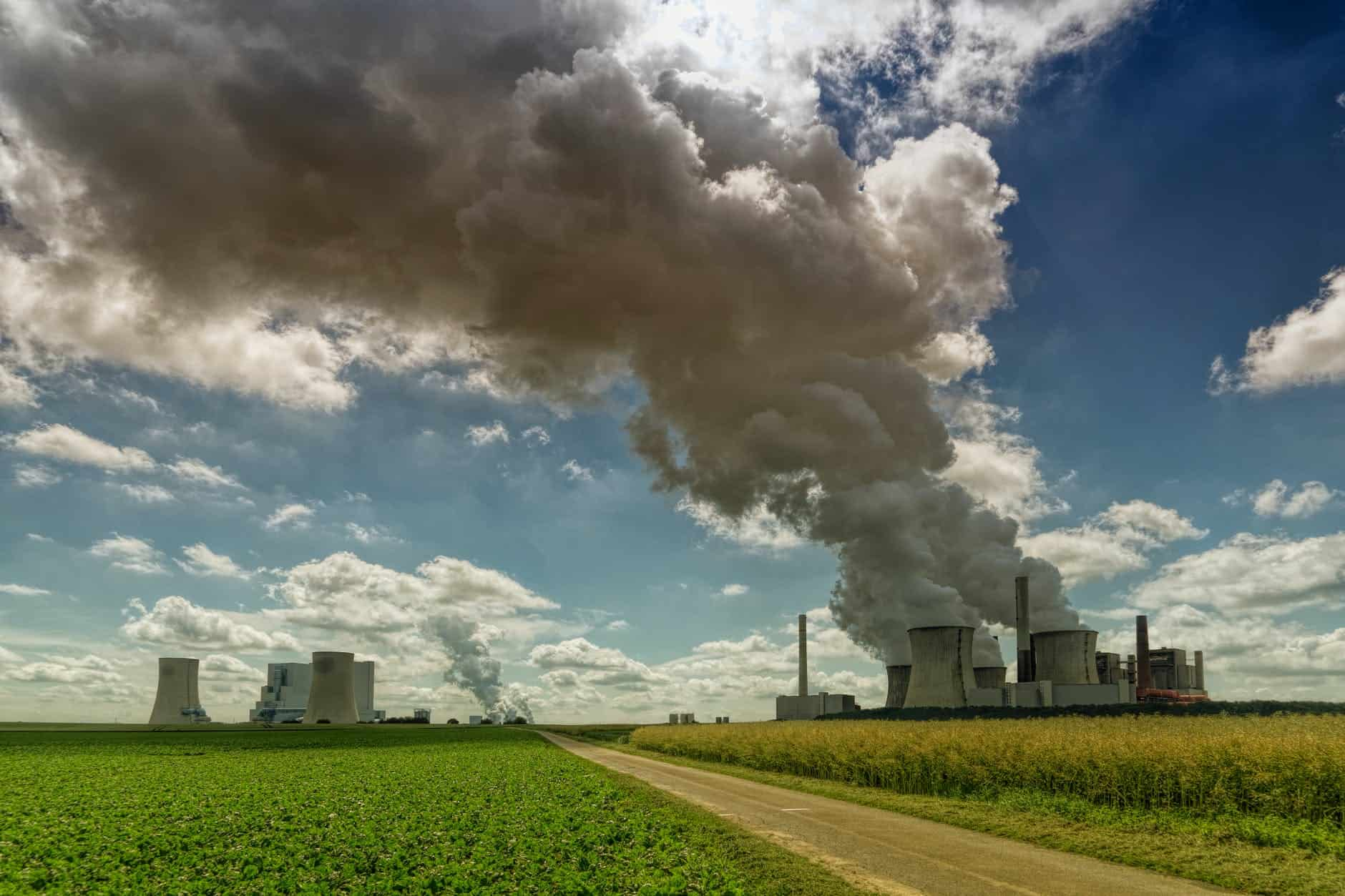
What Are We Breathing In?
Particulate matter, or PM, is a mix of solid particles and liquid droplets suspended in the air. These include dust, soot, smoke, and chemical residues from vehicle exhaust or industrial emissions.
- PM10: inhalable particles smaller than 10 micrometers
- PM2.5: fine particles smaller than 2.5 micrometers—about 30 times smaller than the width of a human hair
Because of their size, PM2.5 and nanoparticles can slip past our natural defenses and settle deep in the lungs. Their chemical makeup varies but often includes carbon compounds, heavy metals, sulfates, and organic toxins—all capable of triggering biological stress once inhaled. Read more about the chemical composition of PM here.
How Pollutants Enter and Move Through the Body
Step 1: The Respiratory Tract
When we inhale, larger particles are filtered by nasal hairs or trapped in mucus, but fine particles easily bypass these barriers. They travel down the trachea and bronchi to the alveoli, which are the tiny air sacs where gas exchange happens. Here, they are able to come into direct contact with blood vessels through an extremely thin cell layer.
Step 2: Systemic Distribution
Some particles cross the alveolar membrane and enter the bloodstream. Once inside, they can circulate through the body and interact with blood vessel walls. From there, pollutants may reach the heart, liver, kidneys, and even the brain. Studies show nanoparticles can pass through the blood-brain barrier and the placenta, leading to adverse effects in multiple organ systems.
Step 3: Cellular Uptake
These particles can then be internalized by cells through endocytosis. Immune cells such as macrophages attempt to engulf and destroy them, but when overloaded, they release inflammatory signals instead, triggering more damage.
Inside the Cell: Molecular and Biological Damage
Once inside tissues, fine and ultrafine particles can disrupt normal cell function. Oxidative Stress occurs when pollutants generate reactive oxygen species (ROS). These highly reactive molecules damage proteins, lipids, and DNA. Damaged cells release cytokines that attract immune cells, causing chronic inflammation. As for specific organelles, mitochondria are particularly vulnerable. When damaged, they produce more ROS, creating a cycle of cellular injury. High levels of ROS and inflammation can cause DNA strand breaks and mutations, increasing the risk of cancer. Over time, these biological processes lead to tissue injury, scarring, and impaired organ function.
Health Outcomes: What the Damage Looks Like
Air pollution affects multiple systems in the body. In the respiratory system, it leads to reduced lung function and aggravates conditions such as asthma and chronic obstructive pulmonary disease (COPD). It also causes alveolar damage and fibrosis, where lung tissue thickens and scars, reducing oxygen exchange. In the circulatory system, exposure contributes to ischaemic heart disease, where blood flow to the heart is restricted, as well as stroke and hypertension. It also causes endothelial dysfunction, damaging the inner lining of blood vessels. Beyond these systems, particles can reach the brain, kidneys, and placenta, affecting neurological, renal, and developmental health.
The Science Behind Why Air Pollution Is So Harmful
At its core, the damage follows a chain reaction:
Tiny particles → Deep lung and bloodstream entry → Reactive oxygen species and inflammation → Organelle and DNA damage → Organ dysfunction and disease
Even small amounts of fine particulate matter can cause harm. Current evidence suggests there may be no safe threshold for some pollutants. Overall, air pollution contributes to millions of premature deaths each year from lung cancer, heart disease, stroke, COPD, and pneumonia.
Air pollution is not only an environmental issue, but it is a biological assault. Every breath of polluted air can alter the biology of life itself, inevitably reshaping human health.
References
"Linkages for Healthy Air and a Healthy Planet: Reducing Air Pollution, Protecting Health and Mitigating Climate Change." World Bank, 2021, www.worldbank.org/en/events/2021/09/08/linkages-for-healthy-air-and-a-healthy-planet-reducing-air-pollution-protecting-health-and-mitigating-climate-change. Accessed 13 Nov. 2025.
"Health Impacts." Who.int, 2025, www.who.int/teams/environment-climate-change-and-health/air-quality-energy-and-health/health-impacts. Accessed 13 Nov. 2025.
"Air Pollution and Your Health." National Institute of Environmental Health Sciences, 2024, www.niehs.nih.gov/health/topics/agents/air-pollution. Accessed 13 Nov. 2025.
"Research on Health Effects from Air Pollution | US EPA." US EPA, 28 Oct. 2020, www.epa.gov/air-research/research-health-effects-air-pollution. Accessed 13 Nov. 2025.