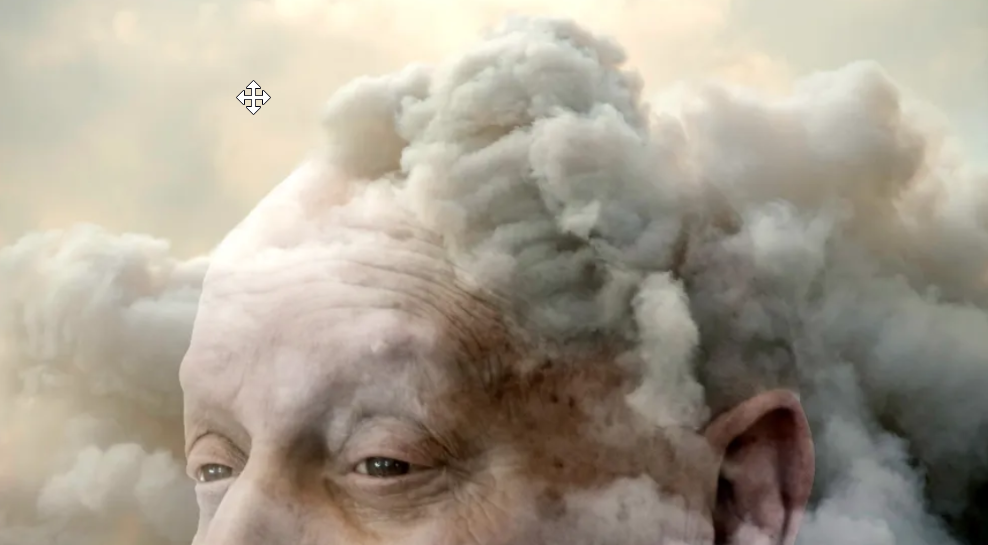
In the U.S, the number of new dementia cases is expected to double from approximately 514,000 in 2020 to over 1 million by 2060. This raises the question: What exactly are causing these cases to rise at such alarming rates? Recently, new research has risen that shows air pollution, a seemingly unrelated environmental issue, is a major contributing factor to this disease that changes the lives of those affected and puts the elderly at major risk.
The evidence has been building for years across the globe, and it points in the same direction. Studies from the U.S., Europe, and Asia have consistently found that people exposed to higher levels of air pollution over long periods of time face a meaningfully greater risk of developing dementia.
At the center of this research is a pollutant called PM2.5, fine particles that most people are exposed to on a daily basis whether produced by car exhaust, wildfire smoke, agricultural burning, or industrial emissions. Because of their size, they travel deep into the lungs and make their way into the bloodstream.
A 2023 NIH-funded study out of the University of Michigan tracked more than 27,000 adults aged 50 and older over an average of ten years. By the end of the study, 15% had developed dementia, and those living in areas with higher PM2.5 levels were significantly more likely to be among them. The strongest links were found with PM2.5 coming from agriculture and wildfires.
A Harvard study published in the BMJ found a 17% increase in dementia risk for every small incremental rise in average annual PM2.5 exposure, even at levels below the EPA's current air quality standard.
In 2024, the Lancet Commission on dementia formally identified air pollution as one of 14 modifiable risk factors for the disease, putting it in the same category as smoking, physical inactivity, and high blood pressure.
How Air Pollution Reaches the Brain
To understand exactly how exposure to air pollution is causing a higher risk of dementia, we have to define what exactly dementia is. Dementia is progressive, irreversible damage to the brain caused by abnormal brain changes that damage neurons and destroy their connections. The most common form being Alzheimer's Disease, responsible for around 70% of cases, as it involves protein buildup that destroys brain cells. When PM2.5 particles are inhaled, they are small enough to pass through the lung's air-blood barrier and make their way into the bloodstream. From there, research shows they reach the brain through more than one route. Some particles travel directly through the olfactory nerve, the nerve responsible for smell, bypassing the lungs entirely and entering brain tissue that way. Others disrupt the gut microbiome, triggering inflammation that travels up through what scientists call the gut-brain axis. The most studied pathway, however, involves the blood-brain barrier, the brain's primary defense mechanism, which tightly regulates what passes from the bloodstream into brain tissue. Evidence suggests that PM2.5 degrades the proteins that maintain this barrier, increasing its permeability and allowing inflammatory cells and toxins to infiltrate the brain.
What You Can Do Now
This process unfolds through years of constant low-level exposure to harmful chemicals that millions of people living in urban cities don't know are causing harm to their current lives and future. Although tackling air pollution cannot happen overnight and requires sustained pressure for policies that will build a healthier environment for future generations, there are practical steps you can take now and share with others to make a meaningful difference in the present.
- Check your local air quality index (AQI) before spending extended time outdoors
- On high pollution days, keep windows closed and limit outdoor exercise
- Consider an air purifier with a HEPA filter for your home
- Reduce your own contribution: Driving less and avoid burning wood or trash
- Advocate for stricter air quality regulations in your area
Even small decreases in pollution exposure can significantly impact our neurological health over time, so let's take the necessary action for change in how we tackle pollution and protect the air we breathe.
References
National Institute on Aging. (2023, August 14). Air pollution from different emission sources is associated with incident dementia. National Institutes of Health. https://www.nia.nih.gov/news/air-pollution-different-emission-sources-associated-incident-dementia
Harvard T.H. Chan School of Public Health. (2023, April 5). Air pollution may increase risk for dementia. https://hsph.harvard.edu/news/air-pollution-may-increase-risk-for-dementia/
Livingston, G., Huntley, J., Liu, K. Y., Costafreda, S. G., Selbæk, G., Alladi, S., Ames, D., Banerjee, S., Burns, A., Brayne, C., Fox, N. C., Ferri, C. P., Gitlin, L. N., Howard, R., Kales, H. C., Kivimäki, M., Larson, E. B., Ogunniyi, A., Orgeta, V., . . . Mukadam, N. (2024). Dementia prevention, intervention, and care: 2024 report of the Lancet standing Commission. The Lancet, 404(10452), 572–628. https://doi.org/10.1016/S0140-6736(24)01296-0