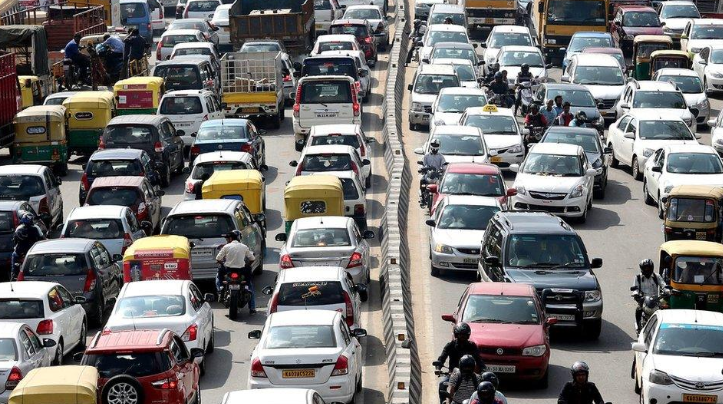
One of the most common things in life, especially if you live near a city, is the constant sound of our modern lives. Cars, planes, and everything in between generate a lot of noise, sometimes so much you don't know how loud it is until you leave it behind.
Noise pollution is arguably one of the most noticeable forms of pollution, yet the harms associated with it aren't often brought into the picture. Millions of people live in places with excessive noise pollution, so let's take a look at the effects of noise pollution and what's being done to stop it.
The Effects of Noise Pollution
According to the World Health Organization, over one million deaths occur because of something related to noise pollution in Europe alone. Noise pollution can come from road, railway, air traffic, and building site exposure. It can also come from things like loud music or other audio content.
The most obvious side effect of noise pollution is the annoyance it very much causes. This can cascade into mental health issues, which are a very serious issue with many kinds of pollution.
The other side effects are far more dangerous to your physical health. Noise pollution has been linked to a number of possible issues, but has also been proven to cause others. It increases the risk of tinnitus (continuous ringing in the ear) and hearing impairment, hypertension (high blood pressure), ischemic heart disease (heart damage caused by poor blood flow), cognitive impairment, and sleep disturbance.
Like most pollution, noise pollution also disproportionately affects those in minority communities. According to surveys, nighttime and daytime noise levels were higher in places with more residents of color and with more residents of a lower economic status. Those in these communities are also less likely to have the ability to fight against the placement of noise polluters, and are also less likely to be able to afford noise-lessening technology.
Reducing Noise Pollution
Reducing noise pollution is both difficult and easy at the same time. It's easy for the average person to make sure that they're not doing things like playing music that is loud for their neighbors. If you're not sure if you're playing something that is too loud, just ask those around you.
However, reducing systemic noise pollution is harder. There are things that can be done through local legislation and community awareness campaigns. One of the easiest ways is planting native trees and shrubs, which will help absorb noise. You can also advocate for things like regulations around adding more sound insulation in new buildings, and for switching to quieter alarms in cars.
If you're looking to protect yourself from noise pollution, there are methods for sound-proofing your residence more than it probably is. You can install certain window types, plants, and doors. If you have hardwood floors, you can add rugs since hard floors tend to reflect sound waves. There are also a number of DIY options.
Noise pollution is annoying, but it's also harmful in a way many people don't understand. It's important to know the risk, protect yourself, and try to protect your community if you can.
References
Advocate Health Care. (2023). Ischemic heart disease. https://www.advocatehealth.com/health-services/advocate-heart-institute/conditions/ischemic-heart-disease
Arbor Day Foundation. (2023, August 26). Using trees and shrubs to reduce noise. https://www.arborday.org/perspectives/using-trees-and-shrubs-reduce-noise
Biddle, J. S. (2025, June 2). How noise pollution quietly affects your health. UC Davis Center for Occupational and Environmental Health. https://coeh.ucdavis.edu/research/how-noise-pollution-quietly-affects-your-health
Casey, J. A., Morello-Frosch, R., Mennitt, D. J., Fristrup, K., Ogburn, E. L., & James, P. (2017). Race/ethnicity, socioeconomic status, residential segregation, and spatial variation in noise exposure in the contiguous United States. Environmental Health Perspectives, 125(7), 077017. https://doi.org/10.1289/ehp898
Cleveland Clinic. (2023, May 1). High blood pressure (hypertension). https://my.clevelandclinic.org/health/diseases/4314-hypertension-high-blood-pressure
Hammer, M. S., Swinburn, T. K., & Neitzel, R. L. (2014). Environmental noise pollution in the United States: Developing an effective public health response. Environmental Health Perspectives, 122(2), 115-119. https://doi.org/10.1289/ehp.1307272
Hurley, M. (2019, July 3). Noise pollution regulations spur global demand for acoustic insulation. The Freedonia Group. https://www.freedoniagroup.com/blog/noise-pollution-regulations-spur-global-demand-for-acoustic-insulation
Seltenrich, N. (2017, October 2). Inequality of noise exposures: A portrait of the United States. EHN. https://www.ehn.org/inequality-of-noise-exposures-a-portrait-of-the-united-states
World Health Organization. (2022a). Environmental noise. In Compendium of WHO and other UN guidance on health and environment, 2022 update. https://cdn.who.int/media/docs/default-source/who-compendium-on-health-and-environment/who_compendium_noise_01042022.pdf?sfvrsn=bc371498_3
World Health Organization. (2022b). Guidance on environmental noise. https://www.who.int/tools/compendium-on-health-and-environment/environmental-noise
Banner image credit: Gallagher, J. (2017, January 5). Dementia rates "higher near busy roads." BBC News. https://www.bbc.com/news/health-38506735